
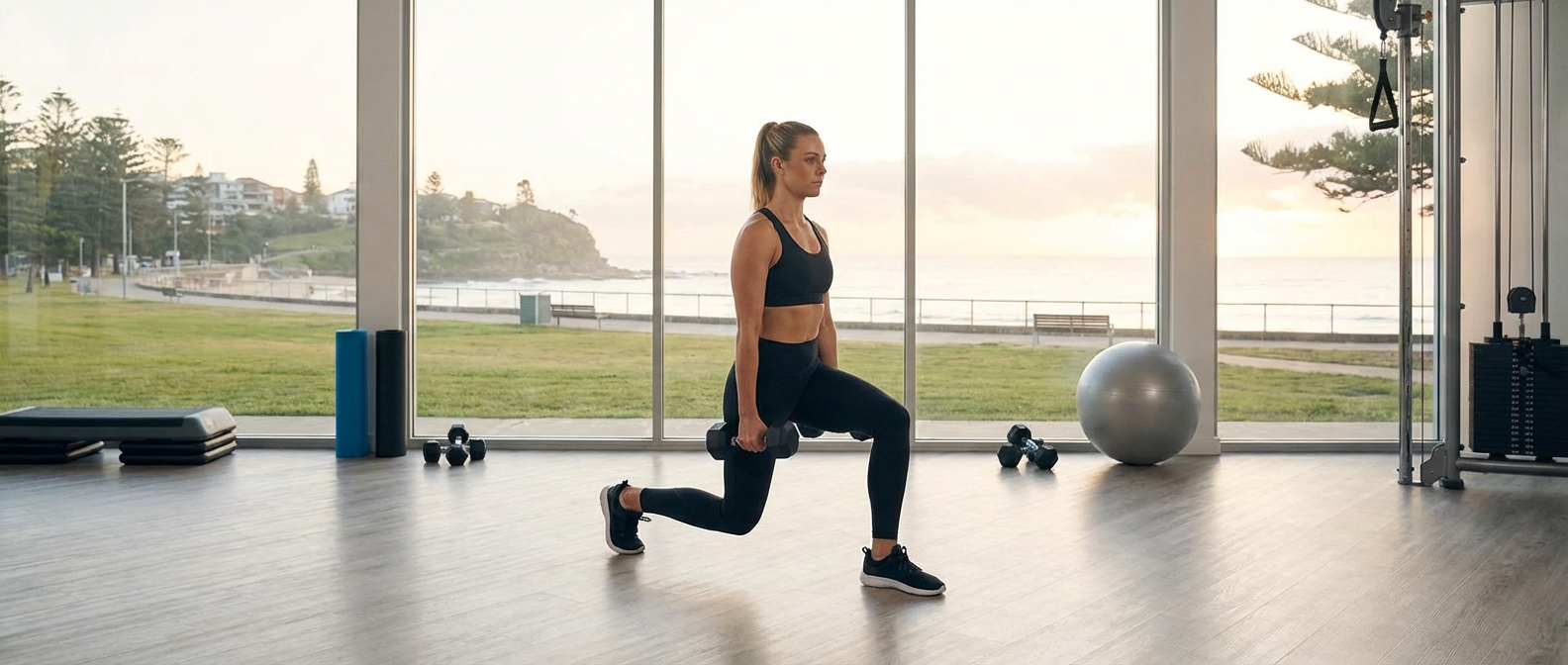
Searching for information on the best full body workout for women? This resource is designed for Australians who value health, fitness, and wellbeing—whether you’re new to exercise, considering joining a gym, or seeking safe ways to tone your body. Here you’ll find practical, medically responsible information about female-specific full body workout routines, body toning exercises, and crucial safety considerations. Please note, this article is for general educational purposes and does not replace individual advice from a qualified health professional. By the end, you’ll understand how to build a balanced workout, recognise signs to monitor, and make informed, safe choices in the Australian health context. Align your training with your Fitness Goals in Australia to achieve optimal results.
If you’re exploring a holistic fitness program tailored to women’s needs, consider our Gym Plan for Women, which provides safe, effective options specifically for Australian women.
Understanding Full Body Workouts for Women in Australia
Full body workouts are structured exercise sessions that engage all major muscle groups during a single routine. For women in Australia, these workouts can offer a balanced approach to fitness, supporting body toning, cardiovascular health, muscle strength, and overall wellness. They’re popular for women who want an efficient way to improve fitness without spending hours at the gym. However, making informed choices is crucial for safety and achieving genuine health benefits—especially as women’s bodies and health needs can differ from men’s.
Primary Intent: Building Safe and Effective Full Body Workout Routines
The main goal for most readers is to learn how to create or follow a full body workout for women that is both safe and effective. This covers recommended exercises, the right frequency, and how to adapt workouts to your unique needs. Australian fitness guidelines, overseen by organisations like The Australian Department of Health, suggest adults aim for at least 150 minutes of moderate exercise weekly, including strength-based activities on at least two days. For women, choosing exercises that are relevant to your individual goals—such as improved muscle tone, bone density, or heart health—is especially important.
What Makes a Full Body Workout “Full Body”?
A true full body workout for gym female participants or those training at home involves targeting all major muscle groups: legs, glutes, core, chest, back, shoulders, and arms. This can include compound movements such as squats, lunges, push-ups, and deadlifts, as well as functional exercises and some aerobic (cardio) elements for overall health. For beginners, a combination of bodyweight exercises and simple free weights often provides a safe starting point. If you’re exercising at home, our Body Weight Exercises Guide shares strategies you can follow without equipment.
Australian Gym and Home Exercise Access Considerations
While many Australians use commercial gyms, at-home and outdoor workouts are increasingly popular. Facilities available locally, cost considerations, and personal safety (including injury prevention) play a role in tailoring the best routine. The Australian Fitness Industry Standards encourage finding professional guidance, especially when starting out.
Secondary Intent: Symptoms, Risks, and Signs to Monitor During Full Body Workouts
Recognising the body’s response to exercise helps prevent injury and maximises results. While most women can safely start body toning exercises, certain symptoms and warning signs should not be ignored. This section explores normal versus concerning reactions, and when to seek medical advice in the Australian context.
Normal Exercise Responses vs. Warning Signs
| Response/Feeling | Typical (Safe) | Potential Concern |
|---|---|---|
| Slight muscle soreness (24–48 hrs) | Yes, commonly experienced | Prolonged or severe pain |
| Short-term fatigue | Yes, especially after new routines | Extreme exhaustion, dizziness |
| Elevated heart rate during activity | Expected during exertion | Heart palpitations, fainting, chest pain |
| Slight breathlessness during cardio | Normal if temporary | Ongoing trouble breathing |
If you notice symptoms such as chest discomfort, severe headache, joint swelling, or dizziness, pause the exercise and consult your GP or an accredited exercise professional. These could indicate underlying health conditions requiring assessment—particularly relevant for women with higher cardiovascular risks.
Body Toning Exercises: Realistic Expectations and Risks
Body toning exercises, including Pilates, resistance training, and HIIT circuits, can help develop muscle definition and strengthen connective tissue. However, rapid promises or guaranteed spot reduction methods can be misleading. True “toning” takes time, and safe progress is made through gradual increase in resistance, proper rest, and varied movements. Overtraining or using improper technique can cause strains, sprains, or pelvic floor dysfunction—a unique consideration for many women, especially post-pregnancy. It’s wise to speak with a women’s health physiotherapist if you have concerns about pelvic health or returning to exercise after childbirth.
Secondary Intent: Lifestyle Impact and Prevention Strategies
Developing a regular full body workout routine can have far-reaching effects on Australian women’s lifestyles. Beyond muscle tone, benefits may include improved mood, sleep quality, and metabolic health. Preventative guidance is essential to sustain long-term fitness and wellbeing.
Supporting Healthy Habits: The Role of Routine
Consistent physical activity is a cornerstone of preventive health for women at all life stages. Whether at home, a commercial gym, or outdoors, embedding body toning exercises into your lifestyle helps manage weight, regulate blood sugar, reduce stress, and support heart, bone, and brain health. Incorporating flexibility and mobility exercises (like yoga or stretching) alongside resistance work can help reduce risk of falls and musculoskeletal problems.
Pro Tip
Pro Tip: Choose a sustainable workout schedule—two to three full body sessions weekly allows enough recovery time while steadily improving strength and tone. Progress at your own pace and check in with a qualified fitness professional for technique checks, especially when trying new movements.
Prevention Checklist: Getting Started Safely
| Prevention Step | Why It’s Important |
|---|---|
| Warm up (5–10 mins) | Reduces injury risk and prepares muscles |
| Use correct technique | Minimises joint and muscle strain |
| Start with appropriate weights | Prevents overload and injury |
| Listen to your body | Helps identify early warning signs |
| Include rest days | Allows muscles to recover and grow |
| Hydrate and fuel properly | Supports metabolism and recovery |
| Consult your GP if unsure | Relevant for those with health conditions, pregnancy, or new to exercise |
Core Elements of a Balanced Full Body Workout (Educational Guide)
Creating a comprehensive full body workout for women involves more than stringing together random exercises. Proper structure balances all major muscle groups, promotes safe progression, and reduces injury risk. The following sections outline recommended approaches aligned with guidelines from the Exercise & Sports Science Australia and similar authorities.
Recommended Exercise Types and Progressions
- Lower body: Squats, lunges, glute bridges, step-ups
- Upper body: Push-ups (wall, knee or full), dumbbell chest press, rows, shoulder presses
- Core: Planks, bird-dogs, dead bugs, gentle crunches (where safe)
- Functional cardio: Light skipping, brisk walking, cycling, low-impact HIIT intervals
Start with bodyweight variations and focus on form before progressing to added resistance. For those using a full body workout gym female program, integrating machines like the lat pulldown, cable row, or leg press can add useful variation. For home-based routines, resistance bands and hand weights are accessible tools.
How Often and How Hard? Frequency and Intensity Explained
Australian recommendations advise at least two muscle-strengthening sessions per week. For full body workouts, aim for 6–10 exercises covering all regions, performing 2–3 sets of 8–12 repetitions. Intensity can be gauged using the “perceived exertion scale”—moderate intensity feels like you can still talk but not sing easily. If you have long-term health conditions or are recovering from injury, seek advice from a health professional before increasing intensity significantly.
Risk-Aware Guidance: When to Seek Medical or Specialist Advice
While starting a full body workout for women is beneficial for most, some individuals require additional caution. Recognising when to consult with a GP, physiotherapist, or exercise physiologist is a key part of responsible fitness management in Australia.
Situations Warranting Medical Input
- Significant or persistent joint pain, swelling, or new musculoskeletal symptoms
- Pre-existing heart, respiratory, or metabolic conditions
- Pregnancy, recent childbirth, or menopausal transition with new symptoms
- Recurring dizziness, chest discomfort, or palpitations during workouts
- Existing injuries or recent surgery
- Concerns about pelvic floor health, such as incontinence with exertion
For tailored exercise plans, you can consult an Accredited Exercise Physiologist through an Australian service such as ESSA’s Find an Exercise Physiologist tool. Your GP can also provide referral pathways.
Management Options in the Australian Context
Options for managing your full body workout journey in Australia range from individualised coaching to standardised group classes and self-guided online routines. Each has pros, cons, and considerations depending on your fitness level, confidence, and health status.
Alternatively, participating in Gym Classes in Australia can add motivation and accountability to your routine.
| Option | Benefits | Possible Limitations |
|---|---|---|
| Personal Trainer/Exercise Physiologist | Individualised attention, safety, progression | Higher cost, access varies locally |
| Group Fitness Classes | Motivation, social support | Less individual adaptation |
| At-Home/Online Program | Flexible, low cost, private | Requires self-motivation, possible technique errors |
| Community Sport/Outdoor Recreation | Social engagement, variety | Weather, facilities, group suitability |
FAQ
What is the safest way to start a full body workout for women?
Begin by selecting beginner-friendly, low-impact bodyweight exercises and gradually increase resistance. Always warm up, use correct form, and consider checking in with a fitness professional. Consult your GP if you have pre-existing health issues or concerns about certain movements.
Are there specific risks for women with body toning exercises?
Women may experience unique concerns, such as pelvic floor stress, particularly after pregnancy. Overtraining or improper form can also lead to injuries. If you have incontinence, pelvic pain, or any unexpected symptoms during exercise, it’s wise to speak with a women’s health physiotherapist.
How many times per week should women do full body workouts?
Most women benefit from two to three sessions per week, ensuring rest days for recovery. Frequency can be adjusted based on goals, energy, and personal schedule. Avoid consecutive days to allow muscles to recover.
What signs mean I should stop a workout and get medical help?
Stop exercising if you feel chest pain, severe breathlessness, dizziness, fainting, or joint swelling. These symptoms may indicate health risks needing prompt assessment by a healthcare professional.
Can full body workouts help with weight management and overall health?
Yes, when combined with healthy eating and lifestyle habits, full body workouts contribute to weight management, cardiovascular health, and improved muscle tone. However, results take time and consistency rather than quick fixes.

