

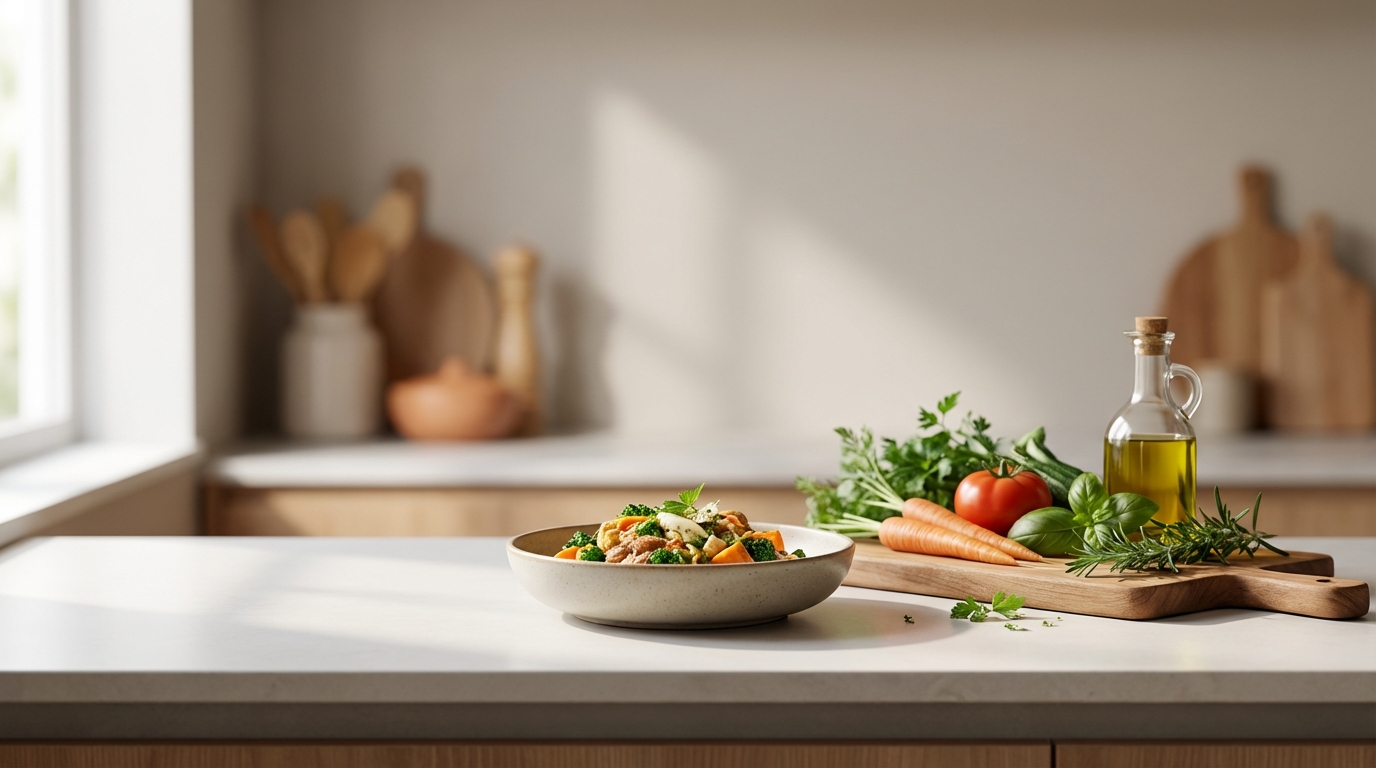
Searching for Australian recipes dinner ideas that promote health and fit seamlessly into local lifestyles? This article is crafted for the general Australian public, including health-conscious individuals, carers, and anyone interested in better understanding how everyday dinner choices affect wellbeing. Written for information and education, not as medical advice, this guide explores how to interpret popular australian recipes dinner trends, distinguish healthful meal options, and identify potential dietary risks. By the end, you’ll know how to spot common nutritional concerns, adapt dinner practices for prevention, and recognise when further professional guidance is needed.
Understanding Australian Dinner Recipes: Nutrition, Risks & Prevention
What Makes Australian Recipes Dinner Unique?
Australian dinner recipes draw inspiration from diverse traditions, reflecting Indigenous foods, British influences, Mediterranean techniques, and Asian flavours. Popular examples like lamb roast, barramundi with greens, and vegetarian pumpkin risotto showcase the wide spectrum of classic and modern Australian cuisine.
Healthy dinner recipes in Australia often prioritise fresh, seasonal produce, lean proteins, and whole grains. However, processed foods or heavy use of oils and salts can pose health risks—especially for those with chronic conditions or who are at higher risk due to genetic or lifestyle factors.
According to Healthdirect Australia, balancing meals with appropriate portions of vegetables, unprocessed meats, and fibre-rich foods is key. The Australian Dietary Guidelines recommend swapping out saturated fats and reducing salt to support heart health and overall wellbeing.
Pro Tip: Focus on easy dinner recipes Australia celebrates for their simplicity and adaptability—grilled fish and salad, veggie stir-fry with brown rice, or lean kangaroo steaks are delicious, quick, and usually lower in added sugar and salt. These are also easy options for busy households or carers supporting loved ones.
Key Symptoms and Warning Signs Linked to Dinner Choices
Unhealthy or imbalanced dinner meals can contribute to physical discomfort or trigger symptoms among sensitive groups. Recognising these early signs is important in making healthier food and lifestyle decisions to prevent long-term illness or complications.
| Symptom / Sign | Possible Link to Dinner Choices | When to Seek Help |
|---|---|---|
| Bloating, stomach pain | High-fat, fried, or spicy meals | Persistent, severe, or worsening symptoms |
| Unusual fatigue | Low-iron or highly processed meals lacking nutrients | No improvement with dietary changes |
| Elevated blood pressure | Excess salt or processed foods | Measured high readings or existing heart conditions |
| Headaches or dehydration | Insufficient hydration, high sugar/salt meals | If ongoing or interfering with daily life |
| Unexpected weight changes | Poor portion control or frequent takeway meals | Significant or unexplained shifts |
If you notice persistent symptoms after dinner or suspect a link to your meals, consider keeping a food diary and consulting a qualified healthcare professional for tailored advice. These symptoms are often nonspecific and can relate to various underlying issues requiring proper assessment.
Common Causes and Contributing Factors in Dinner Choices
The causes of unhealthy or problematic dinner routines in Australia are often a mix of personal, cultural, and environmental factors. Understanding these causes can help Australians adjust their cooking habits to suit their needs and avoid potential health pitfalls.
Popular Ingredients and Preparation Methods
Australian recipes dinner options frequently feature meats (lamb, chicken, beef), seafood, grains (rice, pasta, quinoa), and root vegetables. While variety is a strength, reliance on processed ingredients (canned sauces, take-away, pastries) can increase health risks. Traditional cooking methods such as roasting or grilling are generally healthier compared to frequent deep-frying or excessive oil use.
Lifestyle and Socioeconomic Factors
Modern Australian families often contend with time pressures, shift work, or limited access to fresh produce, especially in regional and remote areas. These factors may drive reliance on fast food or convenience options. The Nutrition Australia highlights how socioeconomic status, food literacy, and availability of culturally relevant ingredients can all influence daily dinner choices.
Individual Dietary Needs and Cultural Preferences
Personal health conditions (e.g. allergies, diabetes, cardiovascular disease), religious practices, or ethical choices (vegetarianism, veganism) must guide dinner recipe selection. Food intolerances or allergies (such as to gluten or dairy) present specific risks if recipes are not modified appropriately.
Real-world example: Someone with hypertension may need to reduce salt by preparing home-cooked versions of classic australian recipes dinner instead of relying on pre-packaged sauces.
Risk Groups and Special Considerations in Australia
Certain Australians face higher risks from unhealthy dinner patterns due to age, health status, or life circumstances. Recognising these risk groups allows for early intervention and prevention of complications.
- Children and teens: Nutritionally imbalanced dinners can affect growth, concentration, and long-term health habits. Meals should include a variety of food groups and limited processed foods.
- Older adults: Needs for calcium, vitamin D, protein, and fibre may increase, while salt and saturated fat should be further reduced to support heart and bone health.
- Pregnant or breastfeeding individuals: Require extra iron, folate, and overall nutrient density; certain fish and deli meats should be avoided for food safety reasons.
- People managing chronic illness: Diabetes, coeliac disease, and cardiovascular conditions require tailored recipes—there’s an added risk from high-glycaemic foods, gluten, or saturated fats respectively. Close dietary management is recommended for these groups.
Rural, remote, or Indigenous communities may encounter higher costs, lower variety, or limited fresh produce. These considerations highlight the importance of flexible, realistic, and culturally sensitive recipe adaptations.
Prevention and Safer Dinner Habits: A Practical Guide
Many health concerns related to Australian dinner recipes are preventable with conscious ingredient choices, portion control, and mindful preparation. This checklist summarises healthy habits to guide everyday cooking.
| Prevention Checklist for Healthier Dinners |
|---|
| Include at least 2–3 serves of different vegetables |
| Swap processed meats for lean alternatives (poultry, fish, legumes) |
| Opt for wholegrain carbs (brown rice, quinoa) instead of refined options |
| Limit added salt—season with herbs, lemon, or spices |
| Choose unsaturated oils (olive, canola) in small quantities |
| Be mindful of portion sizes; use smaller plates if needed |
| Stay hydrated and avoid excess sugary beverages at dinner |
| Read labels when using pre-made ingredients |
| Adapt recipes for allergies or intolerances |
| Prioritise quick, healthy recipes (e.g. grilled fish with salad, veggie stir-fry) |
Consistently following these steps can lower your risk of related health problems such as heart disease or type 2 diabetes. For more tailored advice, consult with a registered dietitian or GP, especially if you have unique or complex dietary needs.
Comparing Easy Dinner Recipes Australia: Health Impact Table
Classic recipes can be adapted using practical strategies to reduce risks and improve health outcomes. The table below compares common dinner recipes in Australia with suggested modifications for safer options.
| Popular Recipe | Traditional Risks | Healthier Adaptation |
|---|---|---|
| Chicken Parma with Chips | High in saturated fat and salt; fried preparation | Oven-baked version, add side salad, use reduced-fat cheese |
| Lamb Roast with Gravy | Poor portion control, rich gravy, white potatoes only | Lean lamb cuts, more roast veg (pumpkin, carrot), lighter jus |
| Barramundi & Chips | Battered fish, deep-fried chips | Grilled barramundi, sweet potato wedges, green beans |
| Pasta with Creamy Sauce | Calorie dense, low fibre, excess cream | Add spinach, mushrooms, swap cream for low-fat yoghurt |
| Pumpkin Risotto | Refined rice, high cheese content | Mix with brown rice or barley, add peas, use less cheese |
Adapting recipes helps manage risks for both individuals and family groups. Customise these suggestions according to your cultural preferences, ingredient access, and personal health needs.
When to Seek Professional Support for Dinner Choices
Many Australians enjoy experimenting with dinner recipes Australia offers, but knowing when to involve a professional can improve outcomes and reduce health risks. Reasons you may need help include:
- Ongoing or unexplained digestive symptoms not relieved by home changes
- Medical diagnoses that require specific dietary management (e.g. coeliac disease, allergies, diabetes)
- Significant difficulty accessing or affording healthy food options (food security challenges)
- Major lifestyle transitions (e.g. pregnancy, elderly care, recovery from illness)
Qualified dietitians and GPs can help align dinner choices with your unique needs. The Healthy Eating Quiz from government sources offers a starting point for self-assessment.
Risks, Misinterpretation Concerns, and Safety with Australian Dinner Recipes
While many easy dinner recipes Australia promotes are safe and nutritious, common misinterpretations carry risks. For instance, assuming all “home-cooked” meals are healthy may hide salt, fat, or sugar excess. Overreliance on trending diets or unsourced recipes can compromise nutritional balance or ignore condition-specific needs.
- Some online sources lack proper oversight. Prioritise sites aligned with national health standards and valid nutrition guidelines.
- Incomplete understanding of allergies, ingredient interactions, or safe food handling increases food poisoning risk. For food safety information, consult Food Standards Australia New Zealand.
- Extreme or restrictive diets may lead to deficiencies or health imbalance. Aim for variety and balance instead of exclusion unless medically advised.
If symptoms or safety concerns persist, seek guidance from your doctor or accredited practising dietitian. Health impacts are not always immediate, so prevention and regular review are advised.
FAQ
What are the healthiest Australian dinner recipes?
The healthiest options emphasise vegetables, lean proteins (fish, legumes, poultry), and wholegrains, using minimal added salt, unsaturated oil, and plenty of herbs or spices for flavour. Grilled fish with salad or a mixed vegetable stir-fry with tofu are excellent everyday choices.
How do I adapt easy dinner recipes Australia for common allergies?
Always check ingredient lists for allergens, use safe substitutes (gluten-free pasta, nut-free sauces), and prepare food in a cross-contamination free space. For severe allergies, consult a medical professional for a safe meal plan.
Are traditional Australian dinner recipes safe for people with heart disease?
Most classics can be safely adapted—swap fatty meats for lean cuts, limit creamy sauces, use herbs for seasoning rather than salt, and incorporate more vegetables. Always follow individual recommendations from your GP or dietitian.
What are key warning signs my dinner choices may not be healthy?
Warning signs include persistent digestive symptoms, feeling repeatedly sluggish after eating, increased blood pressure, unexpected weight changes, or frequent reliance on takeaway meals. If symptoms persist, a health professional should be consulted.
When should I seek professional advice about dinner recipes?
Seek advice when you have ongoing symptoms, newly diagnosed health conditions (like diabetes), unique dietary needs, or safety concerns about allergies and food intolerances. Nutrition experts can provide tailored guidance for your stage of life and personal circumstances.