

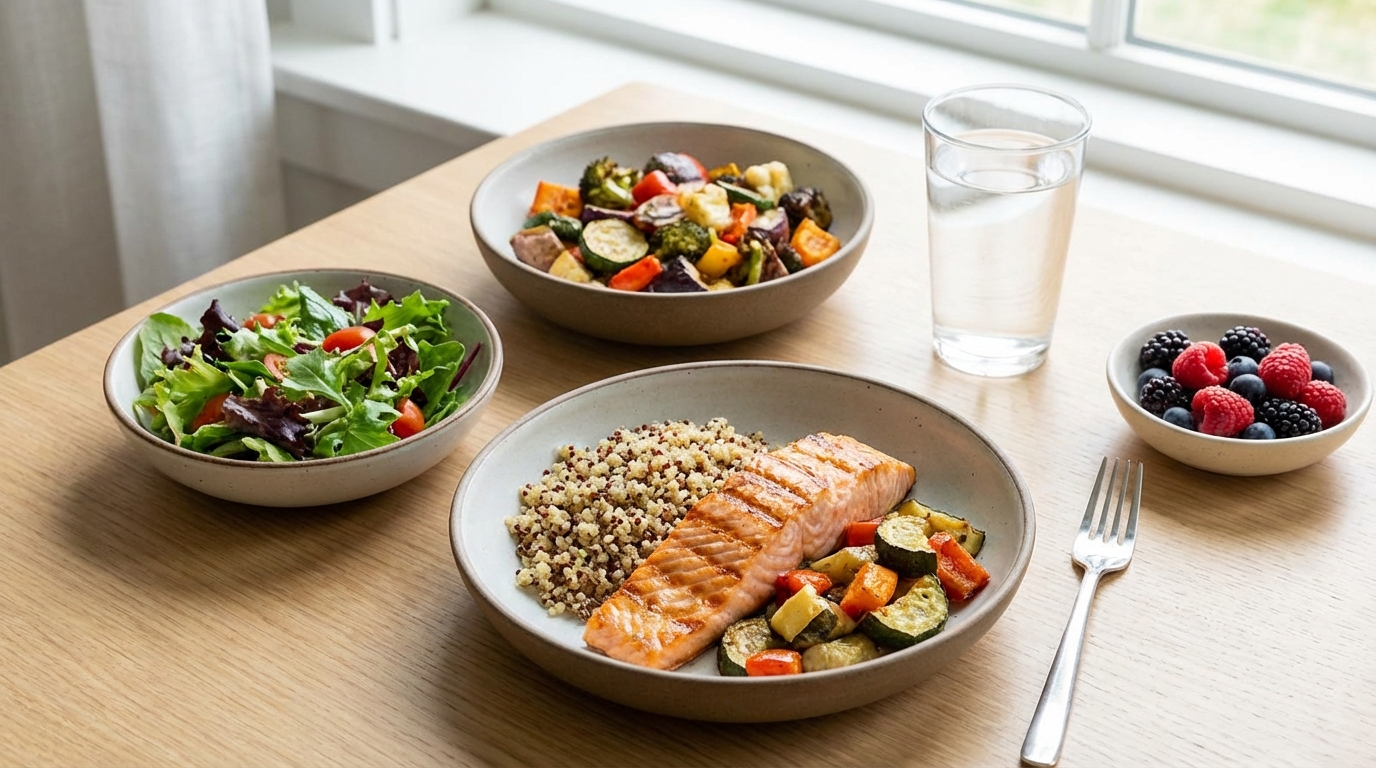
If you’re considering a 1200 calorie meal plan, you’re likely seeking a practical, low calorie eating strategy for weight management or a calorie deficit meal plan. This guide is designed for Australians interested in healthier eating and those wanting to understand the structure, safety, and real-world examples of a 1200 calorie diet. Please note: This content is informational and should not replace personalised advice from a qualified healthcare professional. By the end, you’ll have a balanced understanding of what a 1200 calorie diet plan involves, its safety considerations, and how to make informed choices that support your health and lifestyle goals.
Your Comprehensive Guide to a 1200 Calorie Meal Plan in Australia
What Is a 1200 Calorie Meal Plan?
A 1200 calorie meal plan is a structured eating approach in which your daily food intake is limited to approximately 1200 kilocalories. This calorie level is often considered a low calorie diet plan, designed to create a calorie deficit for weight loss. Meal plans at this caloric level typically aim to maximise nutrient density while restricting high-calorie, low-nutrition foods. These plans are popular due to their simplicity and the common belief that they are effective for rapid weight management.
Most adults require more than 1200 calories a day to meet their basic nutritional, metabolic, and energy needs. While some people may benefit from a 1200 kcal diet plan under medical supervision, it is not universally suitable — particularly for men, taller individuals, pregnant or breastfeeding women, and those with high activity levels. In Australia, Eat For Health guidelines recommend careful consideration before choosing such a low calorie approach.
Ultimately, while a 1200 meal plan can help create a calorie deficit diet plan, its success depends on matching individual needs, health status, and the ability to sustain the plan safely with adequate nutrition.
Why Consider a 1200 Calorie Diet? Target Groups & Secondary Purposes
The primary intent of following a 1200 calorie diet is weight management, particularly for those aiming to achieve calorie deficit and reduce body fat. A calorie deficit meal plan — consuming fewer calories than your body burns — is a widely recognised approach for supporting weight loss.
Secondary reasons some Australians explore this strategy include:
- Management of medical conditions: Under health professional supervision, a 1200 calorie eating plan may be used as part of treatment for obesity, type 2 diabetes, polycystic ovary syndrome (PCOS), or to reduce risk factors associated with metabolic disease.
- Improved portion control and food awareness: Following a lower calorie plan can aid in developing awareness of portion sizes and the nutritional value of different foods, which may help prevent unintentional overeating.
Health-conscious Australians also sometimes use a 1200 diet plan as a short-term reset, to better understand food choices or as an introduction to a structured eating routine. However, it’s important to ensure these plans remain nutritionally balanced and to seek professional input where underlying health risks may exist.
Pro Tip: Focus on Nutrient Density
Pro Tip: When following any low calorie meal plan, prioritise vegetables, lean proteins, wholegrains, and heart-healthy fats to maximise nutrition per calorie — and help minimise hunger and low energy.
What Does 1200 Calories Look Like? Core Foods & Portion Examples
For many Australians, 1200 calories a day represents a significant decrease from habitual daily energy intake, and understanding what this looks like in practical terms can prevent under- or overestimating portion sizes. Here’s an example of how a basic 1200 calorie meal plan might be distributed over a day:
- Breakfast: Greek yoghurt (low fat) with berries and chia seeds (approx. 200 cal)
- Lunch: Grilled chicken salad (mixed leafy greens, cherry tomatoes, cucumber, 1 tbsp olive oil) (approx. 350 cal)
- Afternoon Snack: Raw nuts (10 almonds) and one apple (approx. 120 cal)
- Dinner: Grilled fish with steamed green beans and carrots, 1/2 cup cooked brown rice (approx. 400 cal)
- Evening Snack: Sliced cucumber with cottage cheese (approx. 130 cal)
Including a variety of vegetables, lean proteins, and moderate amounts of healthy fats helps boost satiety and ensures as much nutritional adequacy as possible.
| Food Group | Portion Example | Approximate Calories |
|---|---|---|
| Lean Protein (chicken, tofu, fish) | 80–100g cooked | 110–180 |
| Non-Starchy Vegetables | 2 cups leafy greens | 40–60 |
| Wholegrains | 1/2 cup cooked brown rice | 90 |
| Fruit | 1 medium apple | 80–100 |
| Dairy (low-fat yoghurt) | 100g | 55–80 |
| Healthy Fats | 1 tsp olive oil | 40 |
This approach encourages a balance that supports daily function, rather than just focusing on the calorie number.
Potential Benefits and Drawbacks of the 1200 Calorie Diet
For some individuals, a calorie deficit of this nature may promote short-term weight reduction and help establish healthier eating patterns. Some runner-up benefits — if appropriately managed — may include improved blood sugar control, reduced reliance on processed foods, and enhanced meal planning skills.
However, a 1200 calorie diet menu is not without potential disadvantages or risks, particularly if followed long-term or without professional oversight.
- Possible Benefits:
- Supports safe, slow weight reduction for some adults under supervision
- Encourages more mindful food choices and eating habits
- May temporarily support markers like blood pressure, cholesterol, or glucose
- Potential Concerns:
- Risk of nutrient deficiencies (iron, calcium, B-vitamins, essential fatty acids)
- Fatigue, difficulty concentrating, or mood impacts due to low calories
- May not sufficiently fuel daily activities or exercise, especially for younger adults or athletes
- Potential to trigger disordered eating if not appropriately supervised
Australian health organisations, such as Health Direct and the Dietitians Australia, recommend that low calorie diet meal plans like the 1200 calorie eating plan be undertaken with oversight, especially for those with health concerns or on medications.
Is a 1200 Calorie Meal Plan Safe? Key Risks and When to Seek Help
While a basic 1200 calorie meal plan may seem straightforward, its safety varies considerably depending on individual health status, life stage, and whether it is appropriately balanced. Key risks can include lack of essential nutrients, loss of lean muscle, or metabolic adaptation (where the body reduces energy output in response to low intake).
| Risk Factors | Symptoms to Watch | Recommended Action |
|---|---|---|
| Very low calorie intake | Fatigue, dizziness, headaches, low mood | Consult a dietitian or GP |
| Prolonged restriction | Hair loss, brittle nails, menstrual disruption | Review with a healthcare professional |
| Exclusion of food groups | Digestive issues, cramps, muscle weakness | Adjust plan for balance; seek guidance |
| Pre-existing medical condition | Worsening of symptoms, new health changes | Immediate medical assessment |
If you experience persistent tiredness, frequent illness, dizziness, or difficulty maintaining day-to-day activities on a 1200 calories a day diet, consider pausing the plan and seeking advice from your GP or an accredited practising dietitian. Children, teenagers, pregnant and breastfeeding women, and those with eating disorders or complex health issues are not recommended to start a low calorie diet without support.
Preventative Guidance: How to Follow a 1200 Calorie Meal Plan Responsibly
Preventing nutritional gaps, low energy, or negative side effects involves careful meal selection, variety, and regular review. The following checklist can help support both safety and sustainability on a 1200 calorie diet plan:
- Base meals around non-starchy vegetables and lean protein sources
- Include at least two serves of fruit and two serves of low-fat dairy (or alternatives) daily
- Incorporate a small amount of healthy fats such as olive oil, avocado, or nuts
- Choose wholegrains in portions suited to caloric limits
- Drink plenty of water, and limit added sugars or alcohol
- Monitor for hunger, tiredness, or changes in wellbeing
- Check-in with a registered professional every few weeks if continuing beyond a short period
- Adjust the plan in response to health changes, activity level, or life stage
This approach aligns with evidence-based recommendations from leading bodies such as NHMRC and the Australian Dietary Guidelines.
Real-World Examples: Simple 1200 Calorie Meal Plan Ideas
Below are two sample food plans for 1200 calories a day, featuring approachable Australian ingredients and meal patterns. These are provided for educational purposes and should be adapted in line with personal needs and taste preferences.
Easy 1200 Calorie Meal Plan – Example 1
- Breakfast: 1 slice multigrain toast with 1 poached egg and baby spinach (170 cal)
- Snack: 120g reduced fat Greek yoghurt and kiwi fruit (110 cal)
- Lunch: Tuna salad (80g tinned tuna in springwater, rocket, cucumber, tomato, 1 tsp olive oil, lemon) (250 cal)
- Snack: Carrot sticks with 2 tbsp hummus (100 cal)
- Dinner: 100g baked chicken breast, 1 cup steamed mixed vegetables, 1/2 small sweet potato (350 cal)
- Snack: 6 almonds (60 cal)
Simple 1200 Calorie Meal Plan – Example 2
- Breakfast: Rolled oats (1/3 cup cooked in water), 1/2 banana, cinnamon (150 cal)
- Snack: Cherry tomatoes and 20g reduced fat cheese (75 cal)
- Lunch: Grilled lean beef (80g) with mixed rocket salad, 1 tsp olive oil (260 cal)
- Snack: 1 apple (85 cal)
- Dinner: 100g grilled salmon, 1/2 cup brown rice, steamed broccoli, snow peas (420 cal)
- Snack: Strawberries (1/2 cup) (60 cal)
Both examples prioritise whole, minimally processed foods, providing fibre, vitamins, and protein within tight calorie controls. Remember, flexibility and variety are important to avoid boredom and nutritional shortfalls.
Cost, Convenience & Access: Australian Context for the 1200 Calorie Eating Plan
Adopting a low calorie meal plan in Australia doesn’t necessarily mean extra expense, although it can require more planning and preparation, particularly when focusing on fresh produce, lean meats, and wholegrains. There are affordable swaps, such as bulk buying legumes or frozen vegetables, that can make the 1200 diet menu more accessible for different budgets.
Supermarkets across Australia’s major cities and regions offer a growing range of low calorie meal plan options and easy-grab ingredients, while major cities provide dietitian-supported clinics for those seeking structured advice or meal delivery services for convenience.
Australians looking for culturally appropriate, cost-effective meal options can adapt the plan using local produce and seasonal items. If you have special dietary needs, such as vegetarian or food intolerance, consult with an accredited dietitian for tailored guidance.
Checklist: Staying Safe on a 1200 Calorie Diet
- Consult a healthcare professional if you have pre-existing health conditions, are pregnant, breastfeeding, or under 18
- Do not restrict below 1200 calories without explicit medical supervision
- Prioritise variety and include all food groups in appropriate portions
- Monitor for fatigue, hair loss, changes in mood, or illness
- Pause the plan and seek support if you experience worrying symptoms
- Check that your plan meets Australian Dietary Guidelines for healthy eating
Comparison Table: 1200 Calorie Meal Plan vs Other Eating Patterns
| Plan Type | Calories Per Day | Best For | Key Risks |
|---|---|---|---|
| 1200 Calorie Meal Plan | ~1200 | Short-term weight reduction (adults, supervised) | Nutritional deficiency, energy shortfall |
| Standard Australian Diet | ~1800–2500 (varies) | Most adults, long-term health | Risk if energy intake exceeds burn; chronic disease if unbalanced |
| Very Low Calorie Diet (VLCD) | <800 | Specialist medical settings only | High, not for unsupervised use |
| Moderate Calorie Deficit (customised) | ~1400–1800 | Gentle, sustainable weight management | Less rapid, but often safer results for most |
FAQ
Is a 1200 calorie diet safe for everyone?
No, a 1200 calorie diet is not suitable for all Australians. Children, teenagers, pregnant or breastfeeding women, active adults, and individuals with complex health issues should avoid such restrictive plans unless directly supervised by a health professional.
What does 1200 calories look like in real meals?
1200 calories typically means small, balanced meals built around lean proteins, vegetables, moderate fruit, wholegrains, and small amounts of healthy fats. It often requires precise portioning and planning to avoid nutritional gaps and hunger.
Can I follow a 1200 calorie diet for a long time?
Prolonged use of a 1200 calorie diet may increase risk of nutritional deficiencies, loss of lean muscle, and metabolic adaptation. This plan is best used short-term and with regular review by a dietitian or GP, especially if you plan to continue longer than a few weeks.
What warning signs mean I should stop a 1200 calorie diet?
If you experience excessive tiredness, mood changes, hair loss, dizziness, or recurrent illness, pause the diet and seek medical advice. These symptoms may indicate the plan isn’t meeting your health needs.
Where can I access healthy meal planning support in Australia?
Reliable advice can be found through accredited practising dietitians, community health centres, and public health resources like Health Direct and Eat For Health. Many private dietitians also provide meal planning guidance aligned with Australian dietary standards.