

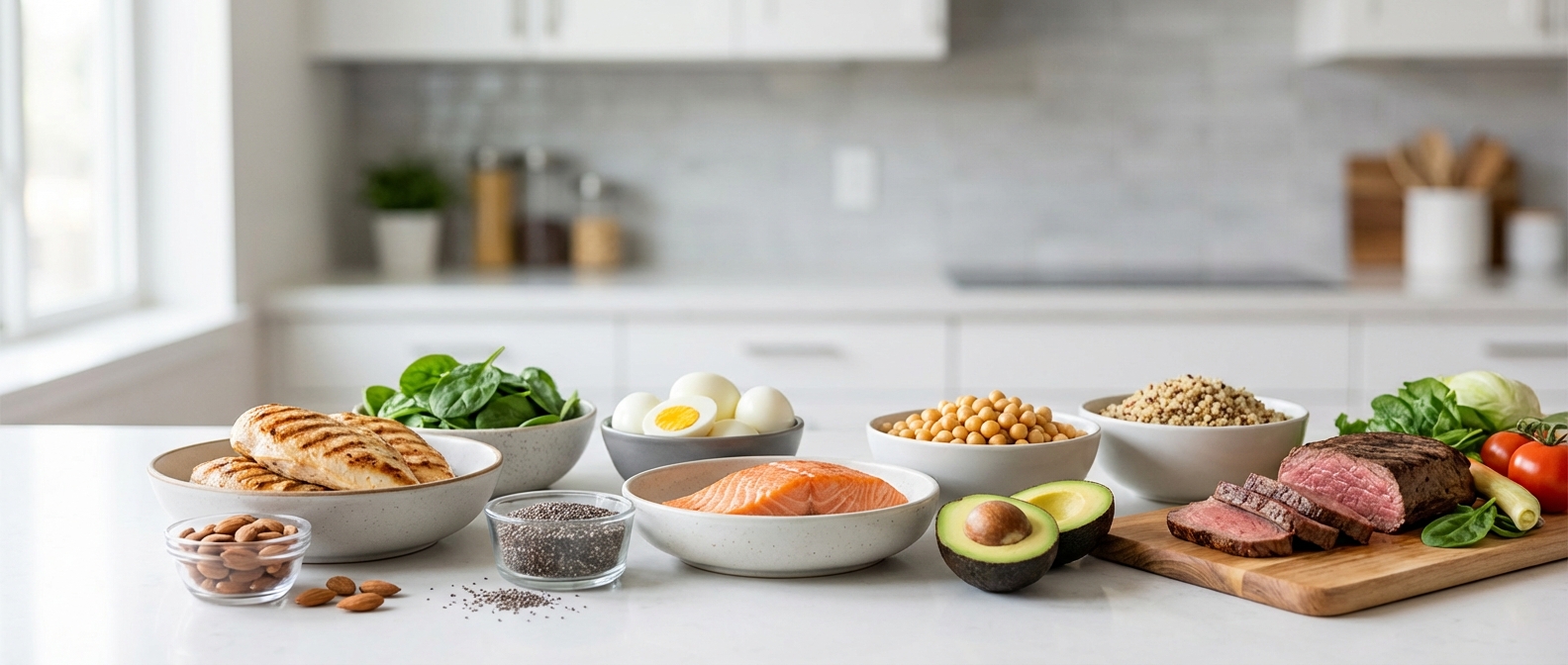
Looking for a 7 day high protein diet plan for weight loss, designed for Australians? This educational guide is for health-conscious individuals, carers, and those considering dietary changes to support healthier habits. It offers reliable, practical information on protein-rich eating patterns, safety considerations, and what to expect from a protein menu plan. Please note, this article is for informational purposes only and is not a substitute for advice from your GP, accredited dietitian, or other qualified health professional. By the end, you’ll understand how a 7 day protein diet plan for weight loss may help, alongside key prevention, safety, and lifestyle factors relevant to Australian healthcare.
Your Guide to a 7 Day High Protein Diet Plan for Weight Loss in Australia
How High Protein Diet Plans Work for Weight Loss
A 7 day high protein diet plan for weight loss centres on increasing protein intake while managing carbohydrates and fats, aiming to support healthy, gradual weight reduction. Protein is vital for muscle repair, metabolism, and sustained fullness, which can reduce cravings and help manage your energy intake. According to Australian dietary guidelines, lean meats, fish, eggs, dairy, legumes, tofu, and nuts are quality protein sources.
Studies suggest higher protein diets may help preserve muscle while losing body fat, making them an appealing option for individuals wanting to prevent weight regain. Consistent, balanced meal planning supports energy, mental clarity, and long-term weight management. However, individual needs and safe protein limits can vary, especially for those with certain kidney or metabolic concerns, so tailored advice from a registered dietitian or GP is always best.
In Australia, public health advice encourages gradual, realistic dietary changes over crash diets or drastic restriction, which can pose risks.
Understanding Weight Gain and the Role of Protein
Weight gain results from a consistent energy surplus — consuming more energy than your body burns. Sedentary lifestyles, emotional eating habits, ultra-processed foods, and large portion sizes all contribute. Protein can play a positive role by promoting satiety, stabilising blood sugar, and supporting lean muscle, which in turn helps maintain a healthy metabolic rate.
However, excessive or poorly balanced high protein diets may have unintended consequences, such as missing out on essential fibre, vitamins, or minerals if plant foods are neglected. Australian dietitians recommend choosing mostly lean, minimally processed protein sources, and keeping an eye on sodium and saturated fat content. Sustainable weight management also includes physical activity, sleep, and stress management.
Pro Tip: Aiming for at least 25–30 grams of protein per main meal, paired with fibre-rich vegetables and whole grains, can help you feel satisfied and nutritionally balanced.
Prevention Checklist: Building Healthy Protein-Focused Habits
Preventing weight gain — or regaining weight after initial loss — depends on practical daily habits rather than rigid meal plans. Use this checklist to guide your approach:
| Prevention Tip | Why It Matters |
|---|---|
| Include a source of lean protein with every meal | Supports muscle maintenance and satiety |
| Prioritise vegetables and whole grains | Boosts fibre, antioxidants, and fullness |
| Avoid large amounts of highly processed meats | Can increase sodium and saturated fat intake |
| Drink plenty of water | Hydration aids metabolism and appetite regulation |
| Engage in regular physical activity | Helps manage weight and supports overall health |
Building these habits helps not only with weight management, but also reducing your risk of chronic diseases such as type 2 diabetes and heart disease, as recommended by Australian health authorities.
Example 7 Day Protein Diet Plan for Weight Loss (Australian Context)
This sample protein menu plan is designed for Australian adults seeking general weight management. Portions and exact requirements may vary, so adjust to your needs and seek professional advice if you have health concerns.
| Day | Breakfast | Lunch | Dinner | Snacks |
|---|---|---|---|---|
| Day 1 | Greek yoghurt, berries, almonds | Grilled chicken, quinoa salad, roasted veg | Salmon fillet, sweet potato, broccoli | Boiled egg, carrot sticks |
| Day 2 | Two eggs on wholegrain toast | Tuna nicoise salad | Lean beef stir fry, brown rice, bok choy | Cottage cheese with tomato |
| Day 3 | Chia pudding with soy milk, nuts | Lentil soup, wholegrain roll | Roast chicken, pumpkin, green beans | Low-fat ricotta and apple |
| Day 4 | Protein smoothie (powder, milk, banana) | Turkey and veggie wrap | Grilled barramundi, salad, quinoa | Handful of roasted chickpeas |
| Day 5 | Baked beans on wholemeal toast | Chicken breast, avocado, mixed greens | Lean lamb, roasted root vegetables | Yoghurt with seeds |
| Day 6 | Omelette with spinach and feta | Tempeh stir fry, brown rice | Prawn and vegetable curry | Edamame pods |
| Day 7 | Low-fat cottage cheese, fruit salad | Salmon sushi, seaweed salad | Chicken and vegetable bake | Nut butter with celery |
This plan emphasises lean proteins, plant-based options, and plenty of vegetables. For further recipe ideas or portion guidance, an accredited practising dietitian can provide tailored advice.
Limitation: This menu is for general guidance and may not be appropriate for individuals with complex health conditions, higher protein needs (e.g. athletes), or dietary restrictions.
Risks and Safety Considerations of High Protein Diets
Most healthy adults can safely follow a high protein diet in the short term. However, high protein intakes may worsen pre-existing kidney conditions or pose challenges for those with liver issues. Over-reliance on animal protein, especially if combined with high saturated fat or processed meats, may contribute to increased risks of cardiovascular disease and colorectal cancer, as noted by reputable organisations like the Cancer Council Australia.
Intake above recommended upper limits can cause digestive upset, dehydration, and potential nutrient imbalances if fruit, wholegrains, and vegetables are neglected. Signs of possible concern include persistent tiredness, headaches, constipation, or changes in urine. If you notice such symptoms, or if you have a history of kidney, metabolic, or chronic illness, seek individualised assessment from your GP or dietitian.
Always approach protein supplementation and drastic meal plan changes with caution. The Australian government’s Nutrient Reference Values can help guide safe protein limits, but medical supervision is strongly advised for pre-existing health conditions.
Comparing Common Symptoms and Potential Conditions on High Protein Diets
Understanding possible warning signs from dietary changes is essential, especially if starting a new high protein meal plan. This table summarises some commonly experienced symptoms, and when they may suggest something more serious.
| Symptom | Common With High Protein Diet? | When to Seek Medical Advice |
|---|---|---|
| Thirst or dry mouth | Yes, from increased protein breakdown and fluid demand | If accompanied by confusion or persistent dehydration |
| Constipation | Yes, especially with low fibre intake | If severe, lasting more than a few days, or with pain |
| Fatigue | Sometimes, if overall calories or carbs are too restricted | If ongoing, or affecting daily function |
| Unintentional weight loss | Possible if energy deficit is substantial | If rapid, or with other unexplained symptoms |
| Frequent urination | May increase due to higher metabolism and urea excretion | If excessive, or with other kidney/bladder symptoms |
Most dietary discomfort can be addressed by adjusting fibre, fluid intake, or portion sizes, but speak with a health professional if symptoms are persistent or worrying.
When to Speak with a Health Professional about Protein Diets
While high protein meal plans can be effective for many, seeking professional assessment is crucial if you have:
- Chronic kidney disease or a history of kidney stones
- Diabetes, liver problems, or other chronic health conditions
- Pregnancy, breastfeeding, or are under 18 or over 65 years old
- Symptoms such as persistent fatigue, unexplained weight changes, or digestive issues
- Athletic or high training loads, needing tailored energy and micronutrient plans
Your GP or an accredited practising dietitian can review your health status and create a safe, practical plan that fits your goals.
FAQ
Is a 7 day high protein diet plan safe for everyone?
Most healthy adults can trial a 7 day high protein diet plan, but those with kidney, liver, or metabolic conditions should consult a healthcare professional first. Individual needs and tolerances vary, and sudden major changes should be monitored for side effects.
What are the main risks of a high protein diet?
Risks include dehydration, constipation, nutrient deficiencies, and worsening pre-existing kidney or heart issues if not managed carefully. It is important to include fruits, vegetables, and whole grains, and limit processed meats.
How much protein should I eat each day on a weight loss plan?
Most adults need between 0.8–1.2 grams of protein per kilogram of body weight per day. Athletes or those with higher needs may require more. For weight loss, spreading protein evenly over meals and snacks is recommended.
Can I follow this diet if I am vegetarian or vegan?
Yes—plant-based protein sources such as legumes, tofu, tempeh, nuts, seeds, and whole grains can all help meet protein needs. A dietitian can help you design a balanced vegetarian or vegan protein menu plan.
When should I seek medical advice while on a high protein diet?
If you develop ongoing symptoms like excessive thirst, constipation, fatigue, or other health changes while on a high protein diet, or if you have existing health conditions, promptly discuss this with your GP or healthcare provider.