

A Practical Guide to Clean Eating: What to Eat and Avoid in Australia
Clean eating—what to eat and what to avoid—has become an increasingly common topic among Australians seeking to boost their overall health through diet. This article is designed for the general Australian public, individuals aiming for healthier food habits, and anyone interested in making informed, evidence-based choices about clean eating. The information presented is educational and not a replacement for individual medical or nutritional advice. By the end of this guide, you will understand the principles of clean eating, identify the cleanest foods and meal tips suitable for Australians, and become aware of common risks, misconceptions, and when to seek trusted professional guidance.
What Does Clean Eating Mean? Explaining the Concept
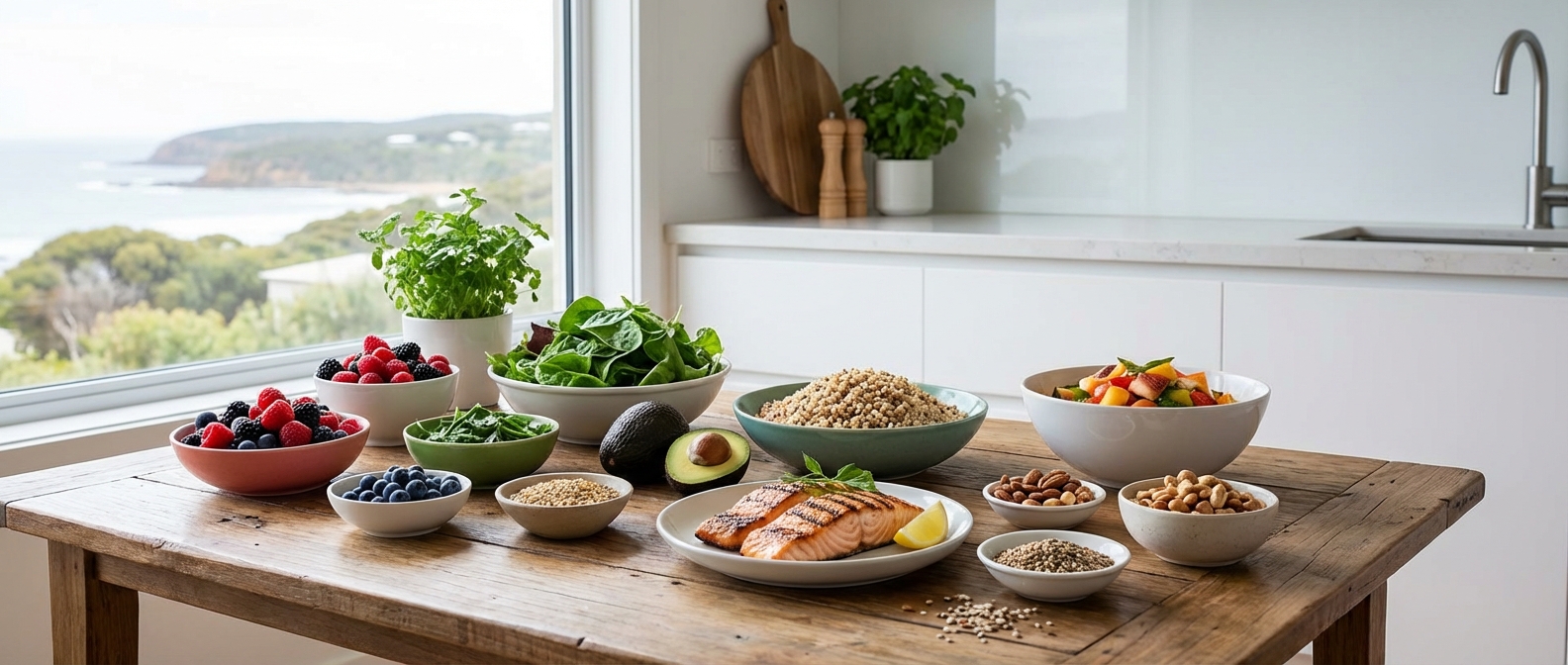
Clean eating refers to the choice and preparation of whole, minimally processed foods with an emphasis on natural, nutrient-dense options. In Australia, the movement is often aligned with advice from public health authorities promoting balance, variety, and food safety. The core idea is not a fixed diet but a set of principles focused on eating foods closer to their natural state—fruits, vegetables, whole grains, lean proteins, and healthy fats.
Unlike restrictive “fad” diets, clean eating is usually intended as a sustainable lifestyle approach. It encourages Australians to avoid highly processed foods, added sugars, excess salt, and artificial ingredients whenever possible, while still enjoying food and respecting cultural traditions. However, individual interpretations of clean eating can vary and may carry the risk of misunderstanding or adopting unnecessary strictness.
It’s important to emphasise that clean eating is not prescriptive medical advice. If you have existing medical conditions, allergies, or need tailored diet support, consult an accredited health professional.
Clean Eating: What to Eat (Australian Context)
Choosing clean foods in Australia involves focusing on locally available, minimally processed options that support health and wellbeing. Below are the main categories of clean foods, supported by Nutrition Australia and the Australian Dietary Guidelines:
- Fresh fruits and vegetables (preferably seasonal and locally grown where possible)
- Whole grains, including brown rice, rolled oats, quinoa, wholemeal pasta and bread
- Lean animal proteins (chicken, turkey, fresh fish, eggs) and plant proteins (lentils, beans, tofu, tempeh)
- Raw or dry roasted unsalted nuts and seeds
- Dairy or dairy alternatives without added sugar (opt for unflavoured yoghurt, milk, cheese, or calcium-fortified plant-based milks)
- Healthy fats, such as extra virgin olive oil and avocado
- Herbs and spices for flavouring rather than heavily processed sauces
Australian supermarkets and markets offer a variety of options. The key is to check labels, stick to foods with fewer artificial additives, and incorporate a wide range of colours, textures, and sources into your daily meals.
Real-World Example: A Clean Day’s Meals
A sample day might include a breakfast of rolled oats with fresh berries and yoghurt; a lunch of grilled chicken salad with leafy greens, tomatoes, and olive oil; a snack of carrot sticks with hummus; and dinner featuring baked salmon with roasted sweet potato and steamed broccoli.
Limiting processed snack foods, sweetened drinks, and takeaway meals can help maintain these clean eating goals, but occasional indulgences are sometimes a part of balanced living.
Symptoms and Signs: How Clean Eating May Impact You
Australians transitioning to cleaner eating often report benefits such as improved energy, better digestion, and mental clarity. Common signs that your body may be responding well to a cleaner diet include steady energy levels, regular bowel movements, and improved skin appearance.
However, abrupt dietary changes—especially restrictive ones—can produce symptoms like bloating, fatigue, cravings, or mood changes. These signs may indicate your body is adjusting, or in some cases, responding to nutritional imbalances. Overly rigid approaches can sometimes lead to orthorexia, a type of unhealthy preoccupation with food purity. If you experience persistent symptoms or distress, consider seeking guidance from a qualified dietitian.
| Possible Symptom | Likely Cause | When to Seek Help |
|---|---|---|
| Increased energy | Improved nutrient intake | If followed by extreme highs/lows |
| Bloating or discomfort | Sudden increase in fibre | If persistent or severe |
| Light-headedness/hunger | Not eating enough or too restrictive | If ongoing or affecting daily function |
What Foods to Avoid on a Clean Diet
While clean eating embraces a positive focus on nourishment, it also suggests minimising or avoiding certain foods—especially those linked to increased risk of chronic diseases. In Australia, common food types to limit include:
- Highly processed foods (e.g., packaged snacks, instant noodles, ultra-processed ready meals)
- Foods and drinks high in added sugar (sugary cereals, soft drinks, lollies, bakery treats)
- Products high in added salt and saturated or trans fats (fried foods, processed meats, takeaway pizza, pies, and sausage rolls)
- Artificial additives, flavour enhancers, and preservatives—always check ingredient labels
- Alcoholic drinks and high-sugar mixers
It’s important to note that completely excluding all processed foods isn’t necessary or realistic for most Australians. Many staple foods such as wholegrain bread, frozen vegetables, or tinned beans offer nutritional benefits and are considered part of a balanced, clean diet when chosen wisely.
Limitation: Not All Processing Is Harmful
Some processing makes food safer and more convenient—such as freezing or canning—so context and moderation matter more than strict exclusion. Use label reading skills to differentiate between minimally processed and ultra-processed products.
Prevention and Clean Eating: Reducing Chronic Disease Risk
Clean eating can be a useful approach to prevent lifestyle-related chronic health conditions in Australia—such as obesity, type 2 diabetes, heart disease, and some cancers—when based on evidence. By choosing whole foods and limiting unhealthy processed options, individuals support healthy blood pressure, cholesterol, and blood glucose levels in line with advice from the Heart Foundation.
However, no eating pattern guarantees specific health outcomes. Genetics, lifestyle, and individual health needs all play a role. If you are managing chronic illness, speak with your health care provider before making substantial dietary changes.
| Health Goal | Clean Eating Focus | Preventative Role |
|---|---|---|
| Heart Health | Plant foods, unsaturated fats, less salt | May lower blood pressure and cholesterol |
| Blood Sugar | Whole grains, legumes, limit added sugar | Supports stable blood glucose control |
| Weight Management | High-fibre, nutrient-dense, portion awareness | Can promote satiety and fewer empty kilojoules |
Clean Eating Australia: Navigating Local Food Choices
Australians have access to a diversity of clean food options, from local farmers’ markets to major supermarkets. Key strategies include choosing seasonal produce, purchasing lean meats or sustainable seafood, and using whole grains as meal staples. Reading ingredient lists and nutrition labels supports informed, empowered decisions about which products align with your clean eating goals.
Where possible, support local growers and consider the environmental impact of your food choices—opting for foods with minimal packaging helps too. For those with special dietary needs, such as coeliac disease or food allergies, clean eating should be adapted to ensure safety and nutritional adequacy.
Consultation with a registered dietitian or accredited practising dietitian is the safest way to tailor clean eating to your health needs.
Pro Tip: Stay Flexible with Clean Eating
Aim for progress, not perfection. A flexible clean eating approach helps you maintain a positive relationship with food and social occasions, reducing the chance of unnecessary restriction or food guilt.
Healthy Meal Tips: Building a Sustainable Clean Food Pattern
Clean eating should fit your lifestyle and preferences. Here are actionable meal tips for building a clean diet in Australia:
- Plan meals around fresh, whole ingredients and include all food groups for balance.
- Prep bulk whole grains (like brown rice or quinoa) and roasted vegetables for easy lunches.
- Choose water or herbal tea as your main drinks.
- Cook in batches and freeze leftovers to support healthy choices when busy.
- Use herbs, lemon juice, and spices instead of high-salt sauces or dressings.
- Embrace variety—eat a rainbow of plant foods across the week to support gut health.
| Popular Meal | Clean Swap Suggestion |
|---|---|
| White bread sandwich with deli meat | Wholegrain sandwich with grilled chicken, leafy greens, tomato |
| Bottled pasta sauce over white pasta | Homemade tomato and basil sauce over wholemeal pasta |
| Potato chips and soft drink | Raw veggie sticks with hummus, sparkling water with lime |
The Balanced Clean Eating Checklist
- Eat at least 5 serves of vegetables and 2 serves of fruit daily
- Include wholegrains at every meal
- Select lean protein sources, both animal and plant-based
- Choose healthy fats (e.g., nuts, seeds, avocado, extra virgin olive oil)
- Drink mostly water
- Limit processed foods, sugar, and alcohol
- Enjoy food with friends, family, and community
Risks and Concerns: Clean Eating Pitfalls to Watch in Australia
While clean eating offers many health benefits, it’s important to recognise potential risks or negative impacts, especially if taken to extremes:
- Restrictive or highly rigid diets may lead to nutrient deficiencies or disordered eating patterns, especially in young people
- Social and cultural considerations—strict clean eating can limit enjoyment of traditional or celebratory foods
- Mental health impacts—preoccupation with food purity may contribute to anxiety or guilt
- Misinterpreting “clean” to mean “detox” or “cure” all illnesses is misleading and not evidence-based
It’s always reasonable to seek support if your relationship with food feels overwhelming or starts to interfere with social life, mood, or overall health. Trusted health professionals such as GPs, psychologists, or dietitians can provide guidance.
If you have a medical condition, are pregnant, breastfeeding, or caring for a child, individual dietary requirements may differ and clean eating recommendations should be adapted accordingly for safety.
FAQ
What are the cleanest foods to eat in Australia?
Cleanest foods include fresh Australian fruits and vegetables, wholegrains like brown rice, lean meats, nuts, seeds, eggs, and minimally processed dairy or plant-based alternatives. Focus on natural, unprocessed options for best results.
Is clean eating safe for everyone?
For most healthy adults, clean eating is generally safe and beneficial. Those with specific health conditions, food allergies, or special dietary needs should consult a registered dietitian for individualised advice.
Do I need to cut out all processed foods to follow a clean diet?
No, not all processed foods are unhealthy. Minimally processed items such as frozen vegetables, tinned beans, or wholegrain bread can fit well into a balanced clean diet. The focus is on limiting ultra-processed foods.
Can clean eating help prevent chronic diseases?
Clean eating principles—based on whole foods and minimal added sugars or unhealthy fats—can help reduce risk factors for chronic conditions. Genetics, lifestyle factors, and guidance from health professionals also play important roles.
When should I seek professional help with clean eating?
If clean eating causes distress, interferes with daily functioning or social life, or if you have ongoing symptoms (like fatigue, digestive upset), seek advice from a GP or accredited Australian dietitian.