
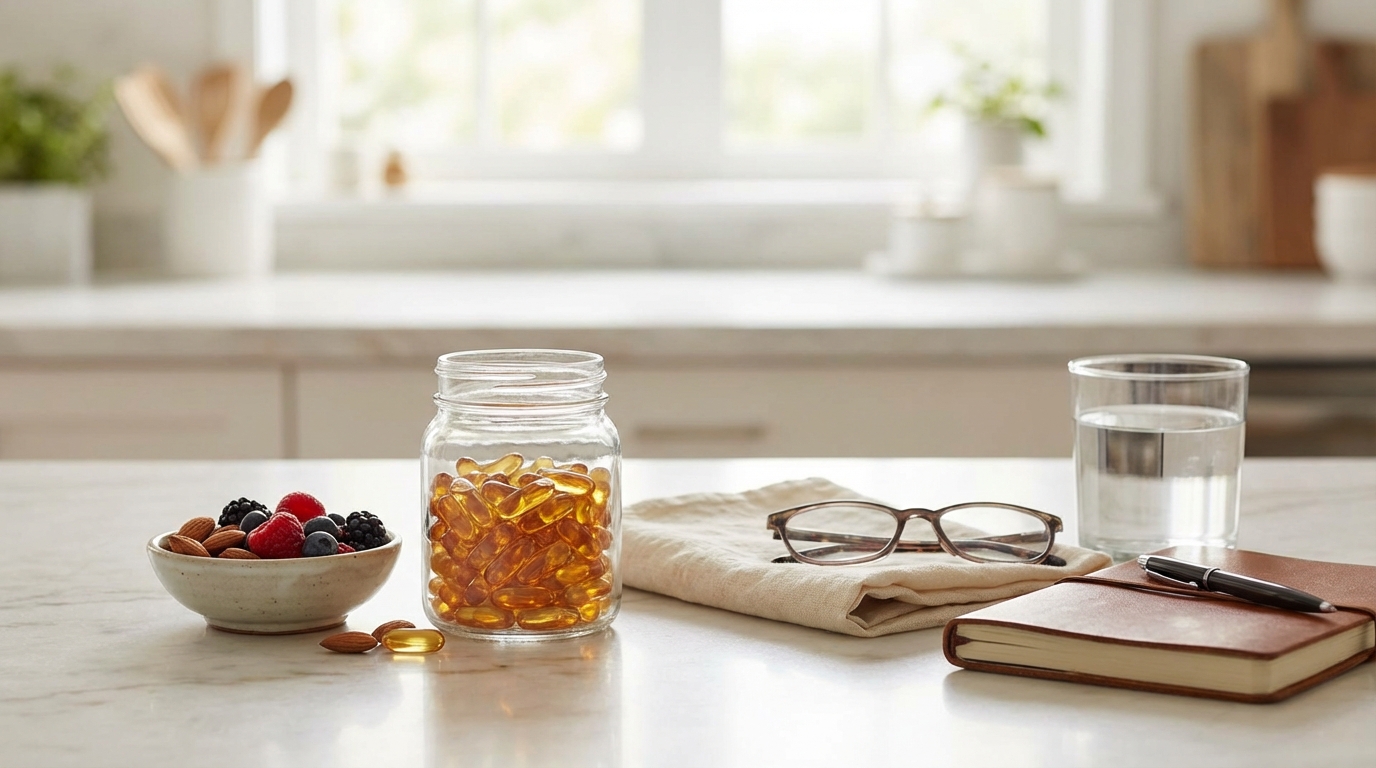
Exploring how to choose the best multivitamin for ladies is a common concern among Australian women prioritising their health and wellness. This comprehensive guide is designed for the general Australian public, including patients, carers, and all health-conscious readers. The information provided here is strictly for educational purposes and is not a substitute for advice from your GP or accredited health professional. By the end of this article, you’ll understand the key considerations for selecting women’s multivitamins, recognise potential risks and signs of deficiency, and be better equipped to make informed choices tailored to the Australian context. Men can read our best multivitamin for men resource for tailored tips.
Understanding Women’s Multivitamins: What, Why & Who Needs Them
As women progress through different life stages, dietary needs can shift due to factors such as menstrual cycles, pregnancy, menopause, or general ageing. Multivitamins for women are specially formulated to address these changing nutrient requirements and may include iron, folic acid, vitamin D, calcium, and B-group vitamins in proportions relevant to female health. These supplements are not intended to replace a balanced diet, but they may support women at risk of or experiencing nutritional gaps, particularly in Australia’s varied dietary landscape.
Key Signals: Symptoms of Potential Vitamin Deficiency
Australian women are often motivated to seek the best vitamin supplements for women after noticing certain symptoms or health changes. Some subtle signs of deficiency might go unnoticed, so being aware is important for early prevention.
- Persistent fatigue or low energy unrelated to other conditions
- Brittle nails or hair loss
- Muscle weakness or cramps
- Increased bruising or slow wound healing
- Unexplained mood changes or irritability
- Frequent colds, infections, or slow recovery
It’s crucial to remember that these symptoms can result from a range of factors, not just vitamin or mineral shortfalls. If you’re experiencing persistent or worsening symptoms, seek medical advice before starting any vitamin or supplement.
| Symptom | Potential Related Deficiency | Other Possible Causes |
|---|---|---|
| Fatigue/tiredness | Iron, B12, Vitamin D | Sleep issues, stress, thyroid |
| Brittle hair/nails | Zinc, Biotin | Ageing, over-styling |
| Muscle cramps | Magnesium, Calcium | Exercise, dehydration |
| Frequent illness | Vitamin C, Zinc | Exposure to germs, immunity |
Common Causes of Nutritional Gaps in Australian Women
Women’s risk of vitamin and mineral deficiencies can be shaped by lifestyle, health conditions, and access issues unique to the Australian context. For example, vegan or vegetarian diets, menstrual blood loss, pregnancy, breastfeeding, and menopause all increase requirements for certain nutrients like iron, calcium, and folate. Geographic factors also play a role—limited sunlight in some regions can lead to lower vitamin D levels, while the high cost of fresh fruit and vegetables in rural communities may impact intake of other nutrients.
Chronic health conditions, digestive disorders, medications, and food allergies are additional contributors to nutrient gaps. Many older women, particularly those over 40 or 60, may absorb nutrients less efficiently. Recognising these individual risk factors is important before turning to a supplement.
Australian Guidelines and Reference Intakes
The Australian Government Nutrient Reference Values outline specific daily intakes for vitamins and minerals by age, gender, and life stage. Following these local guidelines, rather than generic international advice, is best for accurate and culturally appropriate choices.
Who Should Consider a Multivitamin for Women?
Not every woman requires a multivitamin daily. In Australia, many women can meet their needs through a varied and balanced diet. However, there are circumstances where a female multivitamin or targeted supplement may be beneficial:
- Women planning pregnancy or currently pregnant (with folic acid and iron as key nutrients)
- Those with medically diagnosed deficiencies or chronic conditions affecting absorption
- Women with strict dietary restrictions, such as vegan multivitamins for women
- Older adults, especially over 40 and 60, where absorption and appetite may be reduced
- Periods of increased stress or illness impacting dietary intake
Always discuss any ongoing symptoms or significant dietary restrictions with a healthcare provider before starting any supplement regimen.
Types of Multivitamins for Ladies: Forms and Features
The top rated multivitamin for women will vary by individual needs, but common products found in Australian pharmacies and supermarkets include:
- Tablets and capsules
- Chewables and gummies (sometimes preferred by those who have difficulty swallowing pills)
- Powders and liquid formulas
- ‘Complete’ solutions formulated for specific life stages (e.g. best multivitamin for women over 60, pregnancy, menopause)
Each form has pros and cons. Gummies, powders, and liquids often taste better but may contain extra sugar. Tablets can provide higher doses but may be harder to digest for some women. Always check whether the formulation is tailored for your age and life stage and that all ingredients align with your medical and dietary requirements.
Key Ingredients to Look For
Australian women’s multivitamins often focus on ingredients such as: Micronutrients play a big part in women’s health—read about key function minerals requirements.
- Iron: Crucial for women of reproductive age
- Calcium & Vitamin D: Bone health, especially post-menopause
- Vitamin B12 & Folate: Energy, cell health, and pregnancy support
- Magnesium & Zinc: Nerve, muscle, and immune function
- Antioxidants (Vitamins A, C, E): Cellular protection
Less is sometimes more—products with hundreds of percent of the recommended daily intake may not offer additional benefits and could add risks.
Choosing the Best Multivitamin for Ladies in Australia: A 2025 Guide
When shopping for the best multivitamin for females in Australia, it’s important to consider more than just marketing or price. Not all supplements sold are regulated equally. Look for products with an AUST L or AUST R number on the packaging, indicating listing or registration with the Therapeutic Goods Administration. This helps ensure baseline safety and quality.
| Type | Suitable Age Group | Main Benefits | Considerations |
|---|---|---|---|
| General adult women’s multivitamin | 18–40 | Supports everyday wellbeing, fills minor gaps | Not tailored for pregnancy or menopause |
| Women’s 40+ formula | 40–60 | Bone, heart, and energy support | Check calcium and iron levels |
| Women’s 60+ multivitamin | 60–80+ | Boosts absorption, supports bone, eye, brain | Lower iron usually; check medication interactions |
| Pregnancy multivitamin | Pre-pregnancy to breastfeeding | High folate, iodine, iron for foetal development | Not suitable for those not pregnant |
| Vegan/vegetarian | All adults | Added B12, iron, calcium | Check for animal products, additives |
How to Evaluate the Quality of a Female Multivitamin
- Check for local (Australian) regulation and listing numbers
- Look for evidence-backed ingredient levels matching Australian reference values
- Assess whether it meets your specific life stage or health needs
- Avoid mega-dose marketing claims
- Review third-party verifications or pharmacist recommendations
Pro Tip: Keep a written list of all vitamins, medicines, and supplements you take. Share this list with your GP or pharmacist during check-ups for individualised, safe advice.
Risk Factors and Safety Concerns: What Women in Australia Should Know
While multivitamins are widely available and generally considered low risk, taking more than you need or the wrong formulation can cause harm. High doses of some vitamins, such as vitamin A or iron, can be toxic at excess levels—these risks increase for women who have underlying health conditions, are taking other medications, or are pregnant.
- Interactions: Some supplements can interact with prescription medicines, such as blood thinners or thyroid medication.
- Allergies: Always check for hidden allergens or animal products, especially if you have known food allergies or follow a specific diet.
- Overdose: Double-check whether other supplements or “fortified” foods may overlap with your multivitamin ingredients.
- Misinterpretation: Do not self-diagnose deficiencies based solely on online symptom checklists. See your doctor if you develop concerning new symptoms that might signal health conditions.
The Australian Department of Health and consumer advocacy groups recommend approaching all supplements with critical thinking, viewing them as part of a bigger health strategy rather than quick fixes.
Best Multivitamin for Women by Life Stage: 40s, 60s and Beyond
Women over 40 or 60 have distinct nutritional requirements as hormone levels change, bone density can decrease, and underlying medical issues (such as osteoporosis or cardiovascular disease) become more relevant. Choosing the best multivitamin for women over 40, or navigating the best multivitamins for over 60 female australia, requires extra care.
Women Over 40: Prevention and Support
Perimenopause and menopause can spark shifts in iron, calcium, and vitamin D needs. Look for multivitamins with added calcium and vitamin D but moderate or lower iron, unless a deficiency is confirmed. Be mindful of individual variation, as some may benefit from magnesium or B vitamins for energy maintenance.
Women Over 60: Special Considerations
The best multivitamin for women over 60 typically includes more B12 and vitamin D, with lower iron unless advised otherwise. Bone and brain health become priorities. Since older Australians may have less stomach acid (affecting absorption), a formula containing “bioavailable” nutrients can be advantageous. Discuss possible medication interactions—some common prescriptions such as diuretics or heart medicines may interact with supplements.
Checklists and Practical Guidance: Choosing Great Vitamins for Women
Navigating the pharmacy aisle or online wellness store can be overwhelming. Use this checklist as a practical resource when considering womens vitamins:
| Checklist Item | Why It Matters |
|---|---|
| Australian TGA listing (AUST L/R number) | Assures local quality and safety standards |
| Life-stage specificity (e.g. 40+, 60+) | Better matches your changing needs |
| Ingredients align with NRV guidelines | Supports adequate, not excessive intake |
| Transparent, reputable manufacturer | Reduces risk of inaccurate labels or additives |
| Consulted with your doctor/pharmacist | Checks for possible interactions or contraindications |
Prevention and Lifestyle: Supporting Women’s Health Holistically
Supplements should be seen as a safety net, not a replacement for a healthy diet or regular physical activity. The Australian Dietary Guidelines recommend a wide variety of foods including vegetables, fruits, whole grains, lean meats, nuts, seeds, and dairy or alternatives.
- Attend regular check-ups with your GP, especially as you approach 40 or 60
- Monitor your iron, vitamin D, and calcium levels with periodic blood tests if recommended
- Stay physically active (weight-bearing exercise supports bone health)
- Avoid excessive alcohol and limit processed foods
- Get outdoors regularly for safe sunlight exposure, aiding vitamin D synthesis
- Update your supplement regimen in partnership with a health professional, especially if your lifestyle, health status, or medications change
Remember, the top vitamins for women are those chosen consciously, responsibly, and with professional input where needed.
FAQ
- How do I know if I need a women’s multivitamin?
- Most Australian women can meet their nutritional needs through a balanced diet, but those with certain health conditions, dietary restrictions, or life-stage transitions may benefit from a supplement. If you notice persistent symptoms or suspect a deficiency, consult your GP for assessment before starting multivitamins.
- Are there risks in taking a multivitamin for women every day?
- While daily multivitamins are generally safe for most women, some nutrients can become harmful if over-consumed, especially fat-soluble vitamins like A and D. Always follow dosing instructions and seek professional advice for ongoing use, particularly if taking medications or managing chronic conditions.
- What’s the best multivitamin for females over 60 in Australia?
- The best multivitamin for women over 60 often features higher levels of vitamin D and B12 with less iron, aiming to support bones, immunity, and energy. It’s best to choose a product registered with the TGA and ideally discuss your choice with your doctor to assess any interactions.
- Can I take a multivitamin if I am also eating fortified foods?
- Yes, but it’s important to avoid exceeding the recommended daily intake of certain nutrients, which can happen if you combine supplements and fortified foods. Always read labels and coordinate with a healthcare professional to prevent accidental excess.
- When should I seek medical help about vitamin or supplement use?
- Seek advice if you experience unexplained symptoms, have a diagnosed medical condition, start taking new medications, become pregnant, or are considering a new high-dose vitamin routine. Your GP, accredited dietitian, or pharmacist can offer individualised guidance.

